July 6, 2026 · 9:29 AM
Launch week: July 6-12, 2026
Six launches are scheduled for July 6-12 UTC, led by the Long March 10B debut and Skyroot Aerospace’s Vikram-I Aagaman mission. The issue also flags Starlink 17-48 as the July 6 boundary launch that slipped into this live week, plus B1067’s planned 36th Falcon 9 flight on Starlink 10-42.

This issue covers the publication-week launch window from July 6 through July 12, 2026, inclusive in UTC. Six launches are on the schedule, led by two first flights: China's Long March 10B demo flight on July 10 and Skyroot Aerospace's Vikram-I Aagaman mission on July 12. 1 2
July 6 itself is quiet because Starlink Group 17-48 slipped from July 6 to July 11, keeping it inside this week's live window rather than the prior issue. 3 All times below are UTC, and webcast fields use only public links or channels supported by the research material.
Quick schedule
| Date/time UTC | Mission | Site | Watch reason |
|---|---|---|---|
| July 7, 07:10 | Transporter-17 | Vandenberg SLC-4E | SpaceX dedicated rideshare with 81 payloads to SSO. 4 |
| July 9, 09:05 | Starlink Group 10-42 | Cape Canaveral SLC-40 | Booster B1067 targets a 36th flight, a new Falcon 9 reuse record. 5 |
| July 10, 05:20 | Long March 10B demo flight | Hainan Commercial Pad 2 | First flight of China's partially reusable commercial Long March 10B. 1 |
| July 11, 02:00 | Starlink Group 17-48 | Vandenberg SLC-4E | July 6 boundary slip, now planned with booster B1071 on its 35th flight. 6 |
| July 12, 02:00 | Gravity-1 Y3 | Haiyang sea launch platform | Third flight of Orienspace's sea-launched solid rocket; payload remains TBA. 7 |
| July 12, 05:00 | Vikram-I Aagaman | SDSC-SHAR First Launch Pad | India's first privately developed orbital-class rocket attempt. 2 |
Launch cards
Transporter-17
- Vehicle and operator: Falcon 9 Block 5, operated by SpaceX; booster B1097 is listed for its 11th flight. 4
- UTC time/window: July 7 at 07:10 UTC, with a listed window from 07:10 to 08:45 UTC. 4
- Site/pad: Space Launch Complex 4E, Vandenberg Space Force Base, California. 4
- Payload/customer/orbit: SpaceX's dedicated smallsat rideshare carries 81 payloads to sun-synchronous orbit; the detailed public payload manifest was not available in the prelaunch material. 4
- Current status: Scheduled; the first stage is planned to land on the Pacific drone ship Of Course I Still Love You. 4
- Webcast: No mission-specific public livestream URL appears in the research summary; check SpaceX's launch pages and social channels close to T-0. 3
Starlink Group 10-42
- Vehicle and operator: Falcon 9 Block 5, operated by SpaceX; booster B1067 is assigned for its 36th flight. 5
- UTC time/window: July 9 at 09:05 UTC, with a listed window from 09:05 to 13:05 UTC. 5
- Site/pad: Space Launch Complex 40, Cape Canaveral Space Force Station, Florida. 5
- Payload/customer/orbit: The payload is 29 Starlink V2 Mini Optimized satellites for SpaceX's Starlink network, bound for low Earth orbit. 5
- Current status: Scheduled; the flight would set a new Falcon 9 booster reuse record because B1067's previous record stood at 35 flights. 5 8
- Webcast: No dedicated stream link is listed in the research summary; check SpaceX's launch pages and official social channels near T-0. 3
Long March 10B demo flight
- Vehicle and operator: Long March 10B, a two-stage medium-lift launch vehicle developed by China Academy of Launch Vehicle Technology under CASC and built for China Rocket Co. 1 9
- UTC time/window: July 10 at 05:20 UTC, with the narrower listed window running from 05:12 to 07:19 UTC. 1
- Site/pad: Pad 2 at the Hainan Commercial Space Launch Site. 1
- Payload/customer/orbit: The public payload is unknown; the research summary points to a likely test article or mass simulator, and no customer payload has been identified. 1
- Current status: Scheduled as the first Long March 10B launch; the mission is expected to test a sea-net first-stage recovery system using the recovery vessel Pioneer in the South China Sea. 10
- Webcast: No live stream is expected in the research summary; Chinese official media may provide post-launch coverage instead of a public countdown feed. 10
Starlink Group 17-48
- Vehicle and operator: Falcon 9 Block 5, operated by SpaceX; booster B1071 is listed for its 35th flight. 6
- UTC time/window: July 11 at 02:00 UTC, with a listed window from 02:00 to 06:00 UTC. 6
- Site/pad: Space Launch Complex 4E, Vandenberg Space Force Base, California. 6
- Payload/customer/orbit: The payload is 24 Starlink V2 Mini Optimized satellites for SpaceX's Starlink network, targeting sun-synchronous orbit. 6
- Current status: Scheduled after slipping from July 6; Spaceflight Now previously listed B1097, while the current Next Spaceflight listing assigns B1071. 3 6
- Webcast: No dedicated stream URL is listed in the research summary; check SpaceX's launch pages and official social channels near T-0. 3
Gravity-1 Y3
- Vehicle and operator: Gravity-1, operated by Orienspace; the vehicle is a sea-launched solid-propellant orbital rocket. 7 11
- UTC time/window: July 12 at 02:00 UTC, with a listed window from 02:00 to 06:00 UTC. 7
- Site/pad: A sea launch platform at Haiyang Oriental Spaceport in China. 7
- Payload/customer/orbit: The payload is listed as TBA or classified, and Next Spaceflight marks the payload identity as highly uncertain. 7
- Current status: Scheduled as the third Gravity-1 flight; the two earlier Gravity-1 launches in January 2024 and October 2025 are listed as successful in the research summary. 7 11
- Webcast: No public livestream is expected in the research summary; expect launch confirmation from Chinese official or industry channels after liftoff. 7
Vikram-I Aagaman
- Vehicle and operator: Vikram-I, operated by Skyroot Aerospace, is a four-stage small-lift launch vehicle developed by the Hyderabad-based private space company. 2 12
- UTC time/window: July 12 at 05:00 UTC, with a listed window from 05:00 to 09:00 UTC and a broader launch period running through August 4. 2
- Site/pad: First Launch Pad, Satish Dhawan Space Centre, Sriharikota, India. 2
- Payload/customer/orbit: The mission carries four payloads: Grahaa Space's SOLARAS S3 satellite, Cosmoserve Space's Embrace robotic-arm payload, a DCUBED in-orbit demonstration payload, and Skyroot's SCOPE satellite to a planned 450 km low Earth orbit at 60 degrees inclination. 2 12
- Current status: Scheduled as India's first privately developed orbital-class rocket launch attempt; Skyroot previously flew the suborbital Vikram-S mission from ISRO facilities on November 18, 2022. 12 13
- Webcast: No confirmed live-stream link is listed yet; the practical channels to watch are ISRO's official YouTube presence and Skyroot Aerospace's official social or video channels. 2
Watch priority
The two debut vehicles are the cleanest calendar anchors. Long March 10B is the technical watch because the flight is tied to a first-stage sea-net recovery test, while Vikram-I is the market-structure watch because it would move India's private launch sector from suborbital demonstration to an orbital attempt. 10 12
For SpaceX cadence tracking, Starlink Group 10-42 is the more interesting Falcon 9 item because B1067 is assigned to a 36th flight. 5 Transporter-17 is the better payload-diversity watch, but its individual 81-payload manifest was not available from the prelaunch public sources summarized for this issue. 4
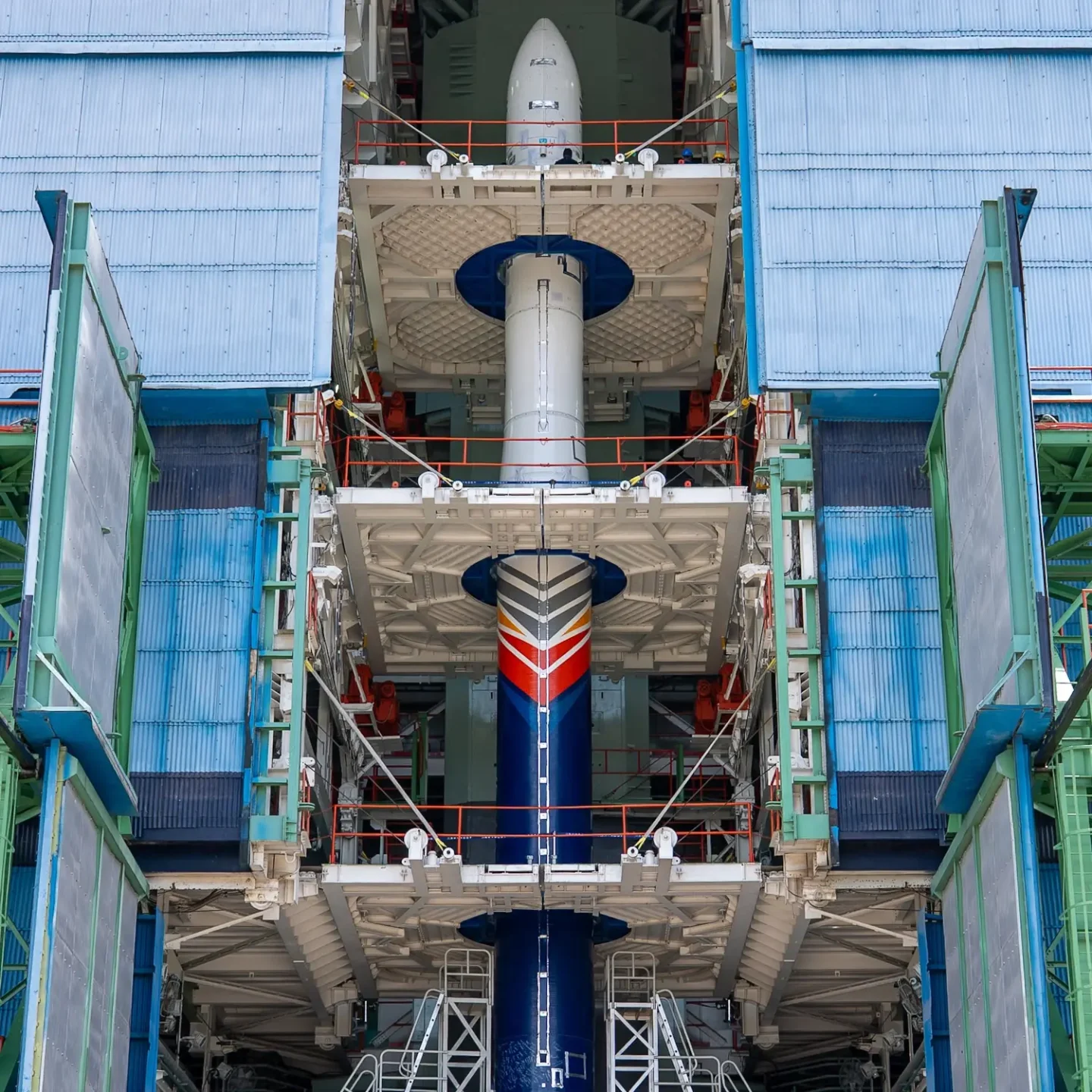
Cover image: Vikram-I vehicle image from Next Spaceflight's Aagaman mission page.
References
- 1Next Spaceflight — Demo Flight / Long March 10B
- 2Next Spaceflight — Aagaman (Demo Flight) / Vikram-I
- 3Spaceflight Now — Launch Schedule
- 4Next Spaceflight — Transporter-17 / Falcon 9 Block 5
- 5Next Spaceflight — Starlink Group 10-42 / Falcon 9 Block 5
- 6Next Spaceflight — Starlink Group 17-48 / Falcon 9 Block 5
- 7Next Spaceflight — Unknown Payload / Gravity-1
- 8Ars Technica — A Falcon 9 booster turns 5 years old and just set a remarkable reuse record
- 9Wikipedia — Long March 10B
- 10Sina Finance — Long March 10B first-flight window set for July 10-13
- 11Wikipedia — Gravity-1
- 12The Hindu — India's first privately developed orbital-class rocket Vikram-1 set for launch
- 13Wikipedia — Vikram-I
Related content
- Sign in to comment.